It is difficult to get a man to understand something, when his salary depends on his not understanding it.
–Upton Sinclair
Facebook is the third-most-visited website in the world, behind YouTube and Google. It has over three billion monthly users. For now, let’s ignore the multitude of fake profiles that inflate subscriber numbers and function mostly as bots.
While on the ubiquitous social media platform, genuine users will occasionally stumble upon gems like this meme below:
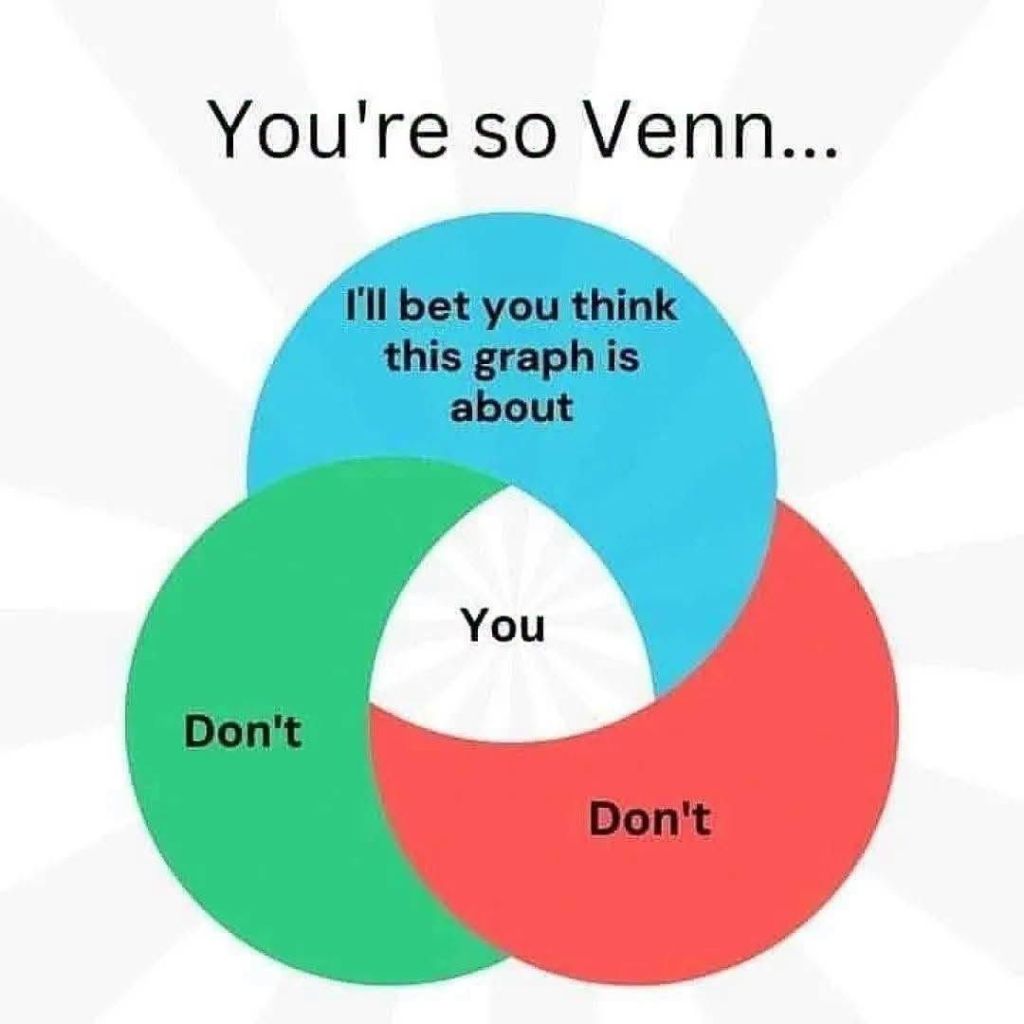
I don’t know who created it, but don’t you think it’s just brilliant?
Not all of Facebook is like this, however. For a brief period, it was a cool way to keep in touch with family and friends. It had real potential to develop into something very meaningful and beneficial to humanity. Now, for the most part, it’s a cesspool of user vanity and hatred colliding with the founder’s greed.
Facebook has degenerated into a commercial monster and an alarmingly divisive force in our everyday lives, particularly in politics. Facebook’s main objective now seems to be spreading fake news, inciting hatred, and making Mark Zuckerberg insanely rich.
That shift, however, while being exacerbated by its users, was engineered by Zuckerberg at the behest of other shady individuals, no doubt. According to a Pew Research Centre study, up to 38% of Americans get their news regularly from Facebook. That disconcerting statistic alone should go a long way into explaining why Donald Trump resides in the White House instead of a circus trailer.
Facebook was spawned in 2003 as a sleazy Harvard student site known as Facemash. It was created by Mark Zuckerberg for students to vote on the attractiveness of students from illicitly obtained photographs. Later, with the help of fellow students, Eduardo Saverin, Dustin Moskovitz, Andrew McCollum, and Chris Hughes, he created a campus networking site called TheFacebook.
As its popularity grew, Zuckerberg and his co-creators, with funding from billionaire right-wing, anti-democratic surveillance guru Peter Thiel, publicly launched Facebook as we know it now. The rest, they say, is history.
However, Facebook’s history is not yet ready to be chiselled into stone. There’s a chance that this evil monster may yet be slain.
Its parent company, Meta, has agreed to pay $18 billion over a ten-year period to settle a landmark U.S. lawsuit alleging that Facebook and Instagram were designed to addict children and harm their mental health. One can only hope that this success is repeated in other countries.
I must at this point confess that I am a subscriber on Facebook. I was banned a few years ago for posting factual information that criticised a politician in contravention of Facebook’s repulsive political slant. I reluctantly rejoined mostly to keep track of family and friends’ birthdays, and with the forlorn desire to somehow disrupt Facebook’s fascist algorithms. I’m not holding my breath, however.
Meanwhile, some news…
In 2010, Aaron Sorkin wrote the script for The Social Network, an award-winning biographical film that largely portrayed Zuckerberg as a tech hero. He now admits that it was largely mythological. In an attempt to correct his past mistake, Sorkin wrote and directed a new film on the Facebook saga, which is due to be released in October this year.
The Social Reckoning, which Sorkin claims is not a sequel, will hopefully expose Facebook’s role in divisiveness, extremism, the proliferation of false and misleading information in the modern media landscape, and its pursuit of profit rather than public safety.
Jesse Eisenberg, who was nominated for an Academy Award for playing Mark Zuckerberg in The Social Network, declined to reprise his role when Sorkin approached him for the new film. He apparently no longer likes to be associated with the Zuckerberg character, and I don’t blame him.
For my part, I have not watched The Social Network yet, nor do I ever plan to. I am, however, waiting in anticipation for the release of The Social Reckoning in October.








Please leave a comment or reply