Injustice anywhere is a threat to justice everywhere.
–Martin Luther King
Today, on June 16, South Africa commemorates the 50th anniversary of the Soweto uprising. Officially, around 176 people, mostly black school children, were killed by police dispatched by the oppressive apartheid government to brutally suppress the demonstrations.
The uprising was organised by students from various schools in the Soweto township who were protesting the introduction of the White minority’s Afrikaans language as a medium of instruction in Black schools. Among those first to be shot and killed were Hastings Ndlovu and Hector Pieterson, the latter of whom later became a major symbol of the pursuit of freedom from apartheid in South Africa. A photograph of him being carried by another student after being shot is in wide circulation internationally.
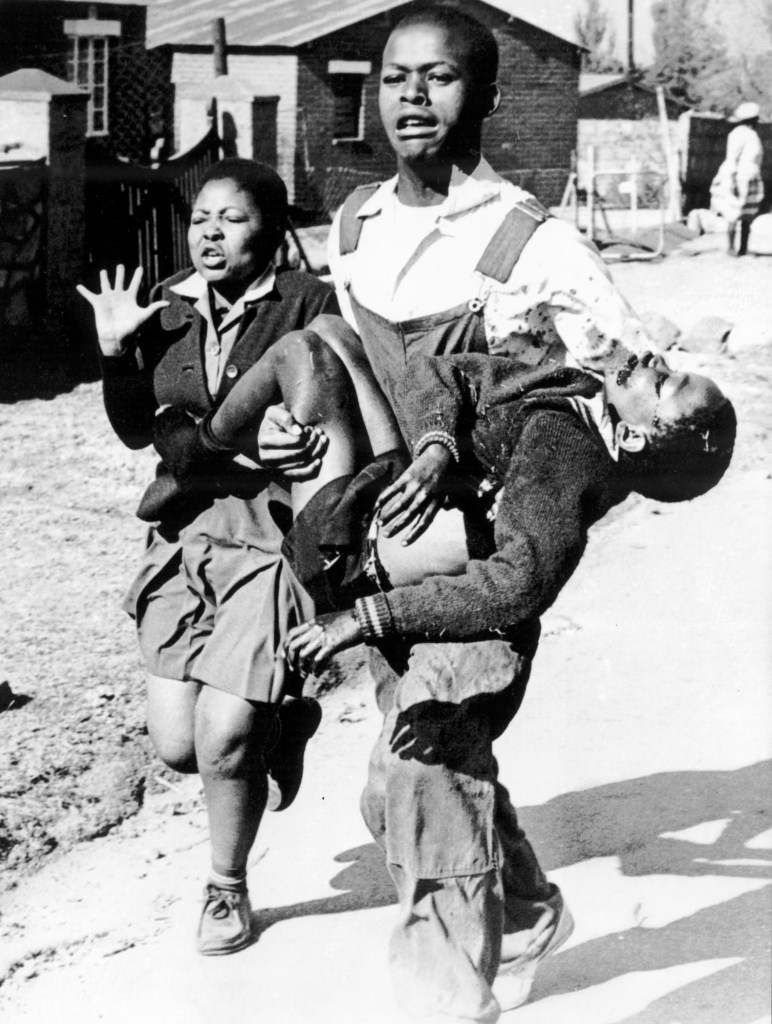
Hastings was 15, while Hector was only 12.
During the apartheid era, June 16 became known as Soweto Day. After apartheid was dismantled in 1994, June 16 was declared a public holiday and is currently celebrated as Youth Day in South Africa. Elsewhere, June 16 is celebrated as the Day of the African Child.
Meanwhile, June 16, on the other side of the Atlantic, while also being an infamous day in history, goes by without any recognition. While not as tragic as the events that unfolded in South Africa 50 years ago, June 16 in America marks another injustice involving a Black person.
On June 16, 1944, George Junius Stinney Jr. (George Stinney) was wrongfully executed for the murder of two White girls, 11-year-old Betty June Binnicker and 8-year-old Mary Emma Thames, in his hometown of Alcolu, South Carolina. George was unfairly tried, convicted and sentenced to death on the same day in April of that year by an all-White jury after only ten minutes of deliberation.
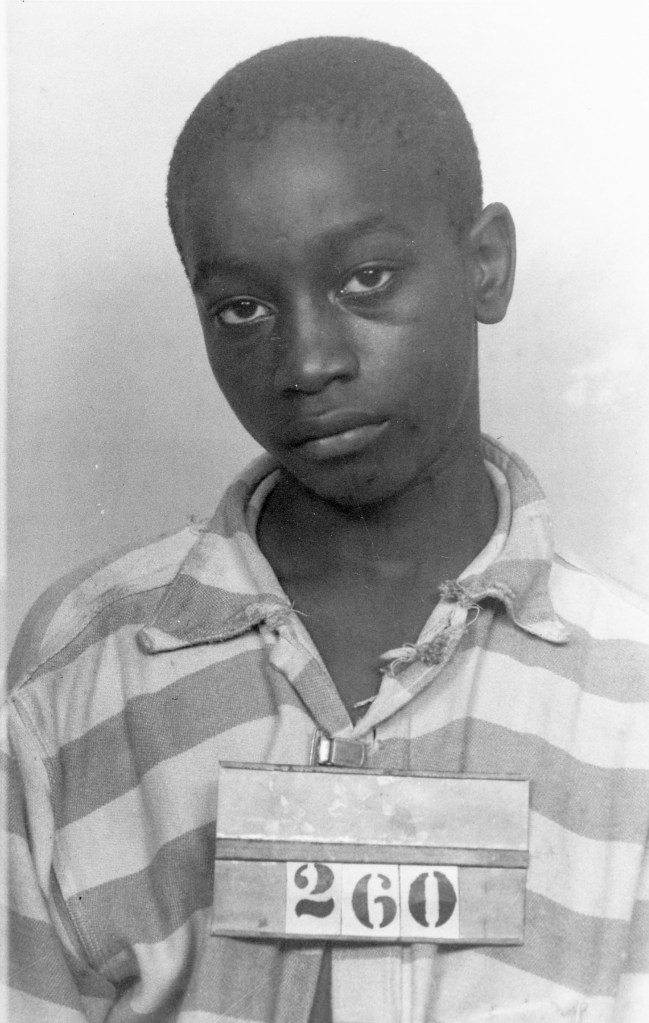
Stinney was eventually killed by the electric chair on June 16 of 1944. The awful circumstances surrounding his arrest, trial, and conviction are summarised on the Death Penalty Information Center website. He is reported as the youngest American to be sentenced to death and executed in the 20th century, although there are other records of similar-aged boys also being executed in North Carolina, South Carolina and Florida, but their ages are in dispute.
Stinney was only 14.
In 2014, several lawyers collaborated to get a new court hearing and presented new evidence. Circuit Court judge Carmen Mullen ruled that Stinney had not received a fair trial, that he was not defended adequately and that his rights had been violated. She overturned (vacated) the 1944 conviction and confined her ruling to the unfairness of the prosecution, not to the matter of guilt.
That, however, will be of little solace to George Stinney, who, like so many other Black people, never got a fair chance, both in life and the justice owed to them.





 lenny unencumbered
Please leave a comment or reply